
01
What it is
Consumer goods sold as part of organized campaigns by schools, nonprofits, teams, and community groups — supported by the products, programs, and distribution systems behind them.

Purpose-driven fundraising channel · schools · nonprofits · teams · community groups
FundraisingSupply.com opens the fundraising channel to startup and emerging brands — partnering with schools, nonprofits, teams, and community groups so consumer products move through organized campaigns with built-in motivation and repeat participation.
Featured brand
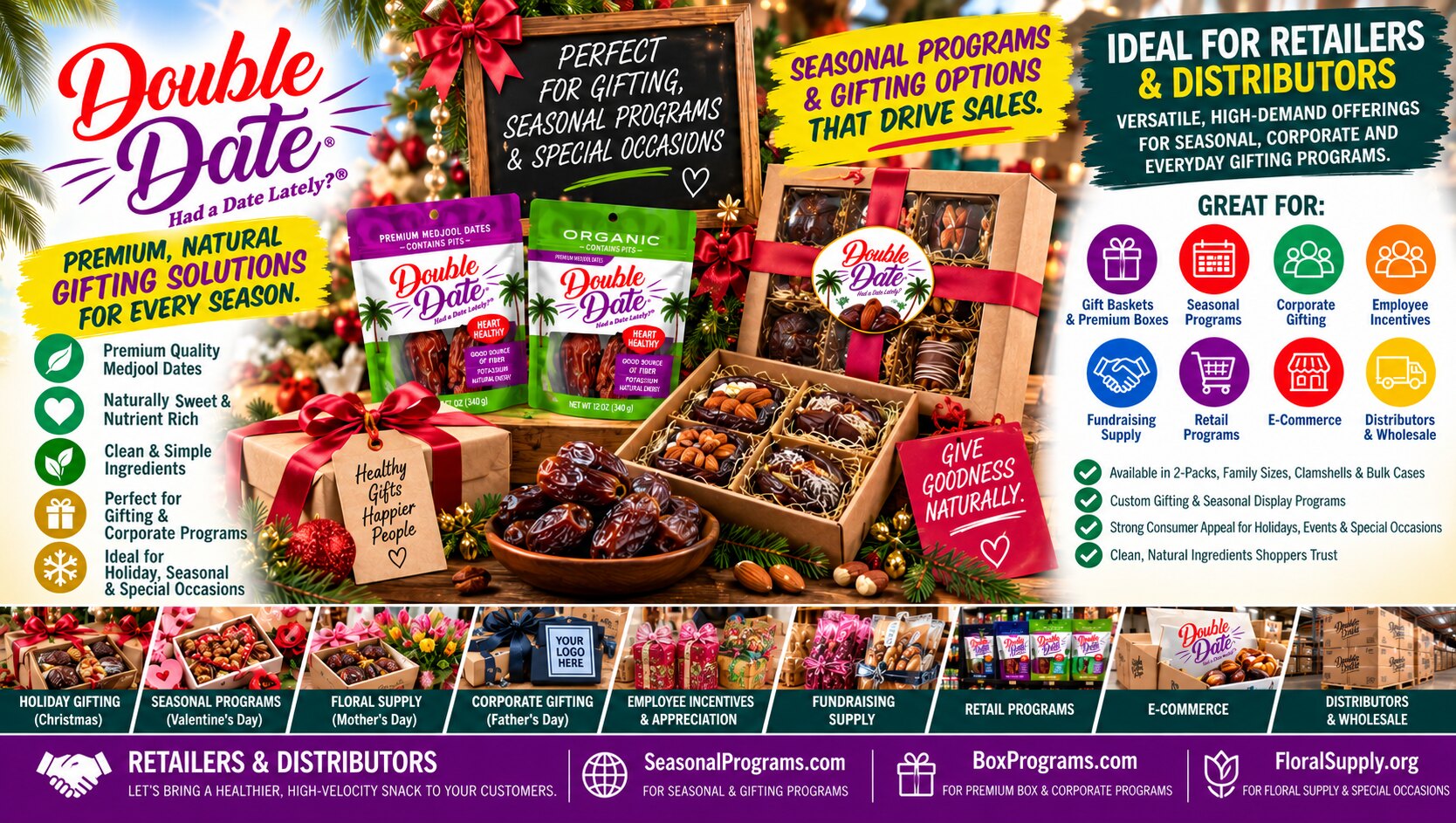
Premium Medjool dates grown in Coachella, California, now featured across FundraisingSupply.com. Retailers and distributors can request wholesale information.

The channel framing
Fundraising supply is the products, programs, and distribution systems organizations use to raise money — a community-based sales channel with built-in motivation and repeat participation.
Consumer goods sold as part of organized campaigns by schools, nonprofits, teams, and community groups — supported by the products, programs, and distribution systems behind them.
Buyers are motivated by the cause; sellers are already organized into trusted networks. The motivation is baked in, so conversion does not depend on paid acquisition.
Schools, nonprofits, sports teams, faith groups, civic clubs, and community organizations — each with established calendars, leadership, and member networks.
Repeat participation across annual cycles, expanding through partner referral and program multiples. The same campaign frame moves more units year after year.
Fundraising is a channel, not a marketing tactic. When a product is sold to support a cause, the buyer is already motivated, the seller is already organized, and the campaign repeats year after year.
Retailing Group · fundraising channel hub

In practice
Most fundraising programs route through five organized community types. Each comes with its own calendar, leadership structure, and product fit — pick the ones that match your brand.
By the numbers
Where campaigns run
Most fundraising programs route through five organized community types. Each comes with its own calendar, leadership structure, and product fit — pick the ones that match your brand.
K–12 programs run by parent-teacher organizations and school clubs — the largest single fundraising vertical, anchored by predictable annual calendars.
Youth and amateur teams raising for travel, equipment, and tournaments — high-frequency campaigns with tight community sell-through.
Mission-driven organizations using product campaigns alongside donation drives to extend reach and engage non-donor supporters.
Religious congregations, service clubs, and volunteer organizations with deep member trust and recurring program calendars.
Local clubs, scouting units, and neighborhood associations — smaller campaigns that compound through repeat participation.
Channel coverage
FundraisingSupply.com is the channel-access layer — connecting startup and emerging brands to the program design and distribution systems that turn product into community campaigns.
The consumer goods that anchor the campaign — chosen for margin, broad appeal, and a story that maps to the cause.
The campaign mechanics — order forms, prize structures, kickoff materials, and timelines that turn a product list into a season.
The systems that get product to participants and reorders back into the channel — packing, ship-to-organizer, drop-ship, and return logistics.
Practical process
Pick the audience and program type that fits your product. A snack brand fits PTA fall sales; an apparel brand fits team and league cycles.
Build the program wrapper — order form, kickoff materials, organizer instructions, and the percentage-back structure that makes the math obvious.
Recruit and equip the volunteer leaders inside each organization. The organizer is the channel — without them, no campaign runs.
Operate the active sale window — order intake, fulfillment, payment, and delivery to participants. Tighter logistics drive larger reorders.
Close the cycle with reporting, thank-yous, and a renewal invitation. Annual repeat is what turns a fundraising program into a channel.
Sister channel hubs
Independent cafe channel — the daily-routine retail surface that complements campaign-based fundraising programs.
VisitCommissary and exchange channel — another mission-aligned community network where purpose-driven brands earn placement.
VisitCivic-engagement hub — the community institutions that often anchor local fundraising and partner alongside emerging brands.
VisitThe master channel-hub network — where each community sales channel is documented and connected to brand teams.
VisitReach the channel team
Send your product line, target organization type (schools, teams, nonprofits, civic, community), margin envelope, and pilot region. The channel team returns a program design, organizer fit-check, and distribution recommendation.
Email the channel team